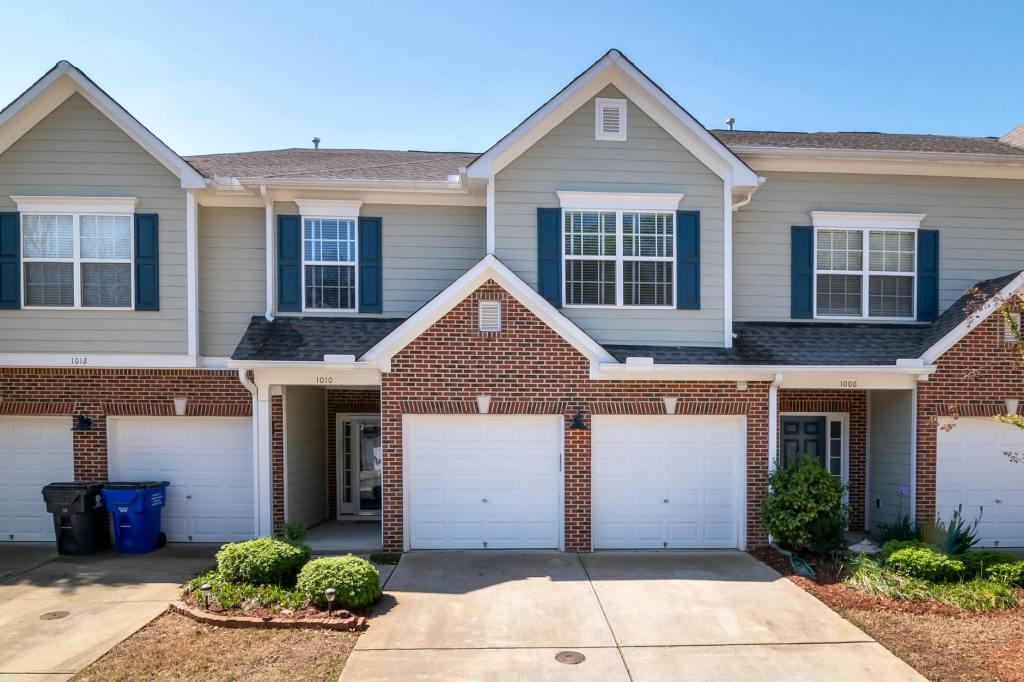
This is a question I hear often, especially from first-time buyers or people relocating to the Chicago area who are trying to balance affordability with quality of life. The challenge is that “most affordable” can mean different things depending on whether you are focused on home price, monthly payment, property taxes, or long-term value. In the Chicago suburbs, affordability is rarely about one single number.
In the northwest suburbs, some of the more affordable communities tend to be those that offer a mix of older housing stock, smaller lot sizes, or fewer luxury new-construction options. Towns like Palatine, Rolling Meadows, and parts of Mount Prospect often come up in these conversations. These areas typically have a wider range of price points, including condos, townhomes, and smaller single-family homes, which can make entry into homeownership more attainable. They also offer solid commuter access, established neighborhoods, and everyday amenities without the premium pricing seen in some neighboring towns.
Affordability is also heavily influenced by property taxes. In Cook County, taxes can be higher, which affects monthly payments even if the purchase price is lower. Buyers sometimes assume a home is more affordable based on list price alone, only to find that taxes push the monthly cost higher than expected. This is where nearby suburbs in Lake or McHenry County can become attractive. Areas just north or west of the Cook County line may offer lower effective tax rates, which can significantly impact overall affordability, even if the home price is slightly higher.
Another factor is the type of housing available. Suburbs with a higher concentration of condos and townhomes tend to feel more affordable for buyers who do not need a large yard or multiple bedrooms. In contrast, communities known for larger custom homes or expansive lots often have a higher entry point, even if the tax rate is similar.
It is also important to consider long-term affordability, not just the initial purchase. Commute time, transportation costs, utility expenses, and future maintenance all play a role in how affordable a home feels over time. A slightly higher purchase price in a more convenient location can sometimes lead to lower overall monthly expenses.
There is no single Chicago suburb that is objectively the most affordable for everyone. The best value depends on your budget, lifestyle, and priorities. When buyers look at affordability through a local, real-world lens rather than a headline number, they tend to make decisions that feel both sustainable and rewarding in the long run.


Leave a comment